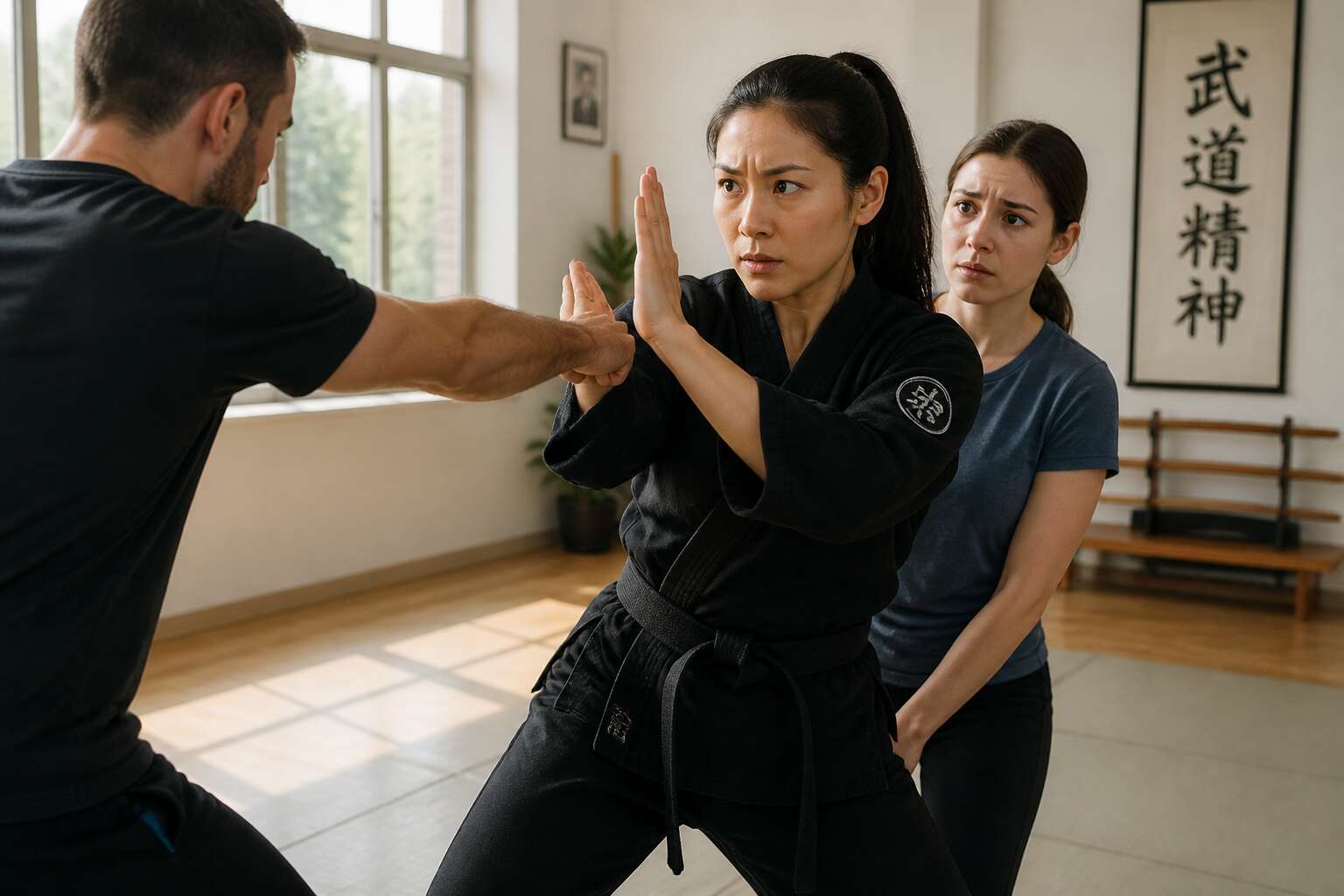
Legal Foundations of Using Force
Understanding the Legal Doctrine of Self-Defense
In South Africa, the legal doctrine of self-defense rests on a single, unforgiving principle: the force must be necessary and proportional. I have watched clients freeze under this weight, and I have seen others act without thinking. The law does not reward hesitation, but it punishes recklessness.
When an attack is imminent or already underway, you are permitted to act. Yet the courts will dissect every decision you made in those seconds. They ask whether retreat was possible, whether the threat was real, and whether your response matched the danger. Self defense and defense of others hinge on these questions.
- An unlawful attack must be underway or immediately threatening.
- The defensive force must be directed at the attacker.
- The force must be reasonably necessary to avert the harm.
- The force must be proportionate to the threat.
This framework protects those who act with clean conscience, but leaves no room for vendetta. The doctrine demands a sober assessment in the heat of chaos. Self defense and defense of others are recognized rights, but they are conditional rights, granted only when every test is met.
The Concept of Defense of Others in Law
Nothing attracts a criminal lawyer’s attention faster than a well-meaning bystander. When you rescue a stranger, the law measures your force by their rights, not yours. Defense of others in law operates as a strict transfer. If they provoked the attack, your intervention is worthless in court.
Substituted judgment is the controlling principle. The court asks what the victim could lawfully do at that instant. Your read of the scene must match theirs. Even an honest misreading rarely earns mercy.
- The rescued party must hold a valid right to defend.
- Your force must match the force they could use.
- Your belief in the threat must be reasonable in that moment.
Self defense and defense of others rest on necessity and proportionality. Courts convict third-party interveners who miss the full context. Defend someone else and you inherit their rights and their errors. Self defense and defense of others demand verification before violence.
When Does the Use of Force Become Excessive?
The law defines excessive force as a response that clearly does not match the threat. Every defensive action must be judged by the circumstances at that instant. In South African jurisprudence, the test is both subjective and objective: what did you believe, and what would a reasonable person believe?
- Was the attacker actually capable of causing harm?
- Did you have a clear path to escape?
- Did your force continue after the threat ended?
Self defense and defense of others both fail when these questions point to escalation. I have examined cases where a slight overreaction turned a justified defense into a murder charge. The law permits resistance, never retaliation.
Criminal and Civil Liability After an Incident
One defensive decision can produce two separate claims. In South Africa, the legal foundations of self defense and defense of others rest on Roman Dutch common law and the Criminal Procedure Act. The defense requires a person to use force proportionally. Criminal liability examines whether your force was justified. Civil liability measures the harm you caused. These two tests differ in burden and outcome.
After the incident, several elements matter:
1. Make a sworn statement
2. Preserve physical evidence
3. Identify witnesses
These actions form the foundation of your case. If you ignore any step, the protections of self defense and defense of others weaken. Courts deal with criminal liability and civil liability separately, but both rest on the facts you gather immediately after the incident.
The Psychology of Self-Protection
The Fight, Flight, or Freeze Response
At a moment, the body itself begins before the mind has edited its options. The fight, flight, or freeze response is not a story we can tell ourselves. It is an automatic survival mechanism. When the threat is physical, this nervous system takes precedence, and our conscious thought collapses.
Within that window, the visible effects are simple:
- A wave withdraws blood, narrowing the eye to the threat.
- Muscles tighten into a fixed response or into sudden action.
- The perception of time shifts, sometimes to a haunting clarity.
The moment ends, and its fingerprints do not. I have seen a competent practitioner freeze, and that one second does not return. The law wants intention, but the body runs protocol. This is the hidden dispute between self defense and defense of others. The defense exists neurologically, psychologically, and only later on a legal page.
Developing a Defensive Mindset
The hallway is dark. A floorboard creaks under a weight that is not yours. Your hand closes around the handle of a drawer, and the cold steel of a legal responsibility meets your palm. This is where the law leaves the courtroom and enters your blood. The doctrine of self defense and defense of others is not a shield you carry after the fact. It is a calculation you make in the milliseconds before your life changes forever.
The law does not measure your fear by the level of your pulse. It measures it against the objective standard of a reasonable person. Would a reasonable person, standing in your exact position, facing the exact same threat, have believed that physical harm was imminent? That question drives the entire analysis. If you acted because a man gave you a dirty look, a jury will see panic, not reason. If you acted because a knife came out of a pocket, the jury will see the necessity of survival.
Proportionality is the measure you must pass. You cannot use deadly force for a slap. You cannot use a firearm when a shove will resolve the issue. The state will weigh your response against the threat that you claim to have seen. A disparity of force can shift the balance. Three attackers against one body alters the equation. A size disparity can too. The law allows you to match the threat, but it does not allow you to exceed it.
Reasonableness is not a single fact. It is a constellation of details. Evaluate the following before you move:
– The physical distance between you and the threat
– The number of attackers you face
– The presence of weapons, visible or claimed
– The verbal threats that have been spoken
– The history of violent encounters in that location
The legal framework for self defense and defense of others requires a clear head in an unclear moment. The old rule bound the defender to the rights of the person they helped. You stood in their shoes. If they had no right to fight, you had no right to fight. Modern statutes often broaden this, but the burden remains heavy. You must observe the situation from a distance that is impossibly short. You must assess if the third party is truly an innocent. You must assess if they are provoking the aggressor. You cannot claim defense of others if you wade into a mutual brawl.
Jurisdictions differ in their approach to retreat. Some demand that you retreat if a safe path exists. You must take the safe path if it is available. Others, like the castle doctrine, strip that duty when you are within your home. Still others, the stand your ground states, remove the need to retreat entirely in any place you have a right to be. Knowing your specific legal geography is a non negotiable part of preparation.
The aftermath is a quiet horror. You survive the physical attack, but you face the interrogator. Every detail of your memory will be picked apart. The number of steps you took. The angle of your arm. The words you shouted. A prosecutor will analyze the sequence frame by frame. Your own body’s adrenaline will have compressed the timeline or expanded it. The law expects a perfect recall of an imperfect moment.
The burden of proof rests on the state to show you acted beyond the bounds of reason. But the burden of understanding rests on you before the moment arrives. You cannot rely on a fog of war to excuse every error. Study the rules of your state. Understand the difference between a threat and a perceived threat. Understand the right of the person next to you. When the floorboard creaks in the dark, the only thing between you and a lifetime of legal proceedings is the clarity of your knowledge.
Overcoming Hesitation During an Attack
The right to self defense and defense of others is a recognized principle in legal systems around the world. This right allows a person to use force to protect themselves or another person from imminent harm. The justification for such action rests on the belief that preserving life and safety is a primary concern.
The legal foundation for self defense and defense of others is rooted in common law and statutory provisions. These laws generally require that the threat of harm be immediate and unlawful. A person cannot claim this defense if they were the initial aggressor or if they used force in retaliation for a past injury. The response must be necessary to prevent the impending danger.
A critical element in cases of self defense and defense of others is the concept of proportionality. The amount of force used must be reasonable in relation to the threat faced. For example, a non-lethal response is appropriate when confronted with a minor physical threat. Deadly force is only justified when the actor reasonably believes that such force is necessary to prevent death or serious bodily harm. This standard requires a careful assessment of the specific circumstances.
The duty to retreat is another factor that varies by jurisdiction. Some states require an individual to retreat from a dangerous situation if it is safe to do so before using force. Other jurisdictions have adopted the castle doctrine, which removes this duty when a person is in their own home. The application of these rules can lead to different outcomes in similar cases, highlighting the complexity of the law.
When acting to protect another person, the legal principles are similar but present additional challenges. The defender must have a reasonable belief that the person they are protecting is facing an unlawful threat. This belief must be based on the information available at the moment. There is a risk of misidentification or misunderstanding the situation, which can lead to legal liability for the defender.
The aftermath of a violent encounter is often complex. Police investigations and court proceedings will scrutinize the actions of all parties involved. The person claiming self defense and defense of others must provide evidence to support their version of events. This evidence can include witness testimony, surveillance footage, and physical evidence from the scene. The final judgment on the legality of the force used rests with the courts, which will apply the relevant statutes and precedents.
Situational Awareness and Risk Assessment
The Color Code of Mental Awareness
In South Africa, the legal framework for using force is defined by the principle of private defense. This principle allows an ordinary citizen to use reasonable force to protect themselves or another person from an unlawful attack. Understanding the precise limits of this right is essential for anyone concerned about personal safety.
The right to self defense and defense of others is enshrined in the common law. It permits a person to repel an imminent threat using force that is necessary and proportional. This is not a blanket license for vigilantism. The law requires that the danger is real or reasonably perceived, and that the force used is the minimum required to avert the threat.
For an action to be considered lawful, the attack must be unlawful and already commenced or immediately imminent. A person cannot use force against a threat that has ended or has not yet begun. For example, a threat made verbally without any physical action may not justify a physical response. The law protects a person who acts instinctively in a moment of danger, but it does not protect those who escalate a situation unnecessarily.
When acting in defense of others, the same legal principles apply as for self defense. A person can use force to protect a family member, a friend, or even a stranger from an unlawful attack. The person intervening steps into the shoes of the person being attacked. This means they are only entitled to use the level of force that the victim would be justified in using to protect themselves.
A critical element in these defenses is the requirement of proportionality. The force used must be proportionate to the severity of the threat. If an attacker is unarmed and using fists, using a deadly weapon in response might be considered excessive. However, if the threat involves a weapon or multiple attackers, then the defender may be justified in using a higher level of force. The court will scrutinize the specific facts of each case to determine if the response was reasonable.
The onus is on the person who used the force to prove that their actions were justified. This provides a crucial check and ensures that the principle is not abused. The courts are generally understanding of people who act under extreme pressure, but they will not accept a claim of self defense if the response was grossly disproportionate or if the defender was the initial aggressor.
Furthermore, the right to use force ends the moment the threat is neutralized. Once an attacker is incapacitated or surrenders, any further force becomes an assault. This is a fine line that requires sound judgment during a crisis. The law requires a person to stop their defensive action as soon as the danger has passed, ensuring that the response remains defensive and not punitive.
Legal consequences for unlawful force can be severe. A person who uses excessive force can be charged with assault, culpable homicide, or even murder. Therefore, understanding the legal boundaries is a form of protection in itself. It helps a person make calculated decisions in a high-stress environment, avoiding actions that could lead to years of legal difficulty. The principle of self defense and defense of others is a fundamental right, but it is qualified by the duty to act with reason and restraint.
Recognizing Pre-Attack Indicators
Most assaults follow a pattern. The attacker does not appear suddenly; they test, probe, and position. In South Africa, situational awareness is the difference between acting early and reacting late. Recognizing pre-attack indicators requires understanding that everyone has a baseline behavior. When someone’s baseline shifts, pay attention.
Indicators often include:
- unnecessary proximity, especially from someone who does not need to be close
- hands hidden in pockets or under clothing
- eyes fixed on your hands, your bag, or your exits
The target is not chosen because of your weakness. The target is chosen because of the attacker’s opportunity. When you see these signs, you can act early. That early action is the heart of self defense and defense of others; you create distance, call attention, or move toward a safer zone before the sequence reaches its final moment.
Evaluating an Escalating Situation
Watch the crowd. It tells you everything before anyone speaks. The rhythm of shoppers and pedestrians shifts when danger enters a space. That shift is your signal to evaluate, not to wait.
In South Africa, the escalation from unease to violence is short. You read its markers in sequence:
- A sudden silence in a previously busy area
- A person who positions themselves between you and the exit
- A group that splits to approach from two angles
Each marker adds weight. None proves intent alone; together they describe a trajectory. I have seen this evaluation save seconds.
Risk assessment is not a feeling. It is a structured look at what stands before you. You measure the threat, the distance, and those who may be caught in the event. That measurement is the practical core of self defense and defense of others; it defines the moment when the situation tips beyond negotiation.
Understanding the Role of Distance and Positioning
Distance is a language that needs no translation. In South Africa, the gap between you and a perceived threat says more than any statement of intent. Three metres of open ground offers seconds to read posture, spot a reaching hand, and move toward the exit. One metre reduces the same decision to pure reflex.
Positioning completes the equation. A wall at your back eliminates one avenue of danger. A clear sightline across the room reveals movement before it arrives. I have watched people survive because their body was placed correctly, not because they were faster. A body angled toward the exit already holds the advantage.
This discipline, the constant measurement of space and angle, sits at the core of self defense and defense of others. The same calculation applies when you step between someone else and a threat. Your distance becomes theirs. Your position provides the cover that no one has to name.
Knowing When to Retreat or Leave
Leaving is a decision made before the confrontation begins. In South Africa, most defensive encounters end before physical contact, because someone read the moment correctly and stepped away.
Situational awareness means tracking the drift of a room. It means noticing when two people alter their path toward you, when a hand stays in a pocket too long, or when a crowd’s tone turns deliberate. That awareness carries a cost. It requires accepting the loss of pride, schedule, or comfort.
Retreat is not the absence of defense. Retreat is the assessment that no route or ally outweighs the risk of staying. Self defense and defense of others starts with the choice to be elsewhere.
Signals to treat as final:
– The man at the counter keeps checking the door.
– The group’s tone drops when you pass.
– Someone moves to a position that blocks your exit.
Practical Techniques for Protecting Yourself and Others
Basic Strikes and Targeting Vulnerable Areas
A close-quarter encounter rarely allows for perfect form. A palm heel strike driven upward into the nose requires less aim than a wild swing. For self defense and defense of others, the goal is to create space and time, not to win a duel. I have seen how targeting certain areas changes the outcome instantly. The body offers clear vulnerabilities that anyone can reach, even under stress.
- Eyes: a stiff fingers jab forces an attacker to recoil
- Throat: a horizontal chop disrupts breathing
- Knees: a sideways kick buckles balance
- Groin: a knee or fist ends forward motion
These targets work because they require minimal strength. Your defensive moves should be sharp and repetitive, not elaborate. When protecting a child or a friend, the same strikes apply. Practice slow, then speed up! The confidence comes from knowing where to hit, not how hard you can hit. Self defense and defense of others rely on precision, not power, so body size matters less.
Defensive Maneuvers to Create Distance
Distance is the currency of survival. If you have ever watched a brawl unfold, you know the fighter who controls the space between bodies controls the entire encounter. The trick lies in moving your feet, not your hands, because hand movements telegraph intent. A sharp slide to the outside angle pulls you out of the attacker’s direct line of force while keeping you within striking range if needed.
When defending a companion, you cannot afford to freeze in place. Grabbing a friend’s arm and stepping back in one motion creates immediate separation. This combination of a guardian’s frame and a backward step often surprises the aggressor, who expects resistance rather than movement. Your stance should remain low and balanced, with your weight over your toes, ready to spring sideways or forward.
- Use a palm heel strike to the chin and then push the attacker’s head away as you pivot.
- Maintain a 45 degree angle to the threat, presenting a smaller target profile.
- Block with your forearms, not your hands, to avoid finger injuries.
The mechanics of creating distance rely on your ability to stay fluid under pressure. A defensive move works best when it flows into the next action, so practice shifting your weight and changing direction quickly. For self defense and defense of others, the goal remains straightforward: make the attacker miss, then make room to exit or reposition. Remember that every step you take should either increase the gap or set up your next counter. Your body knows how to move; train it to move with intent.
Techniques for Protecting a Third Party
Protecting a third party demands a different stance. You must interpose your body between the threat and your companion. Grab their shoulder or belt loop and pull them behind you while stepping forward. A low, wide base prevents both of you from toppling.
Once you have shielded them, pivot to deflect an incoming strike with your forearm. Push the attacker’s chest with your palm to create space. Move your companion sideways, away from the original path.
- Steering with your non-dominant hand.
- Blocking with forearms, not fingers.
- Shouting a command to freeze.
Self defense and defense of others both hinge on spatial awareness. Watch the attacker’s hands while tracking your companion. Practice until these movements feel natural!
Using Everyday Objects as Defensive Tools
Car keys and pens are defensive tools. In South Africa, slow response times mean a magazine can block a slash. A credit card can gouge an eye. Grip them firmly before you need them.
For protecting others, flick a bulky keyring at the attacker’s face. Use a backpack as a shield. Swing it by the strap. Practice at home!
- A phone thrown buys two seconds.
- A belt wrapped on your fist absorbs strikes.
- A hot coffee cup creates a barrier.
Tools amplify your movements, they do not replace them. That is the core of self defense and defense of others; create distance, then negotiate. I prefer disruption.
Ground Defense Strategies
In South Africa, the ground is where fights conclude. When you fall, the dynamics of self defense and defense of others shift completely. Your legs remain your strongest assets. Your hips decide whether you rise or absorb damage.
People freeze on their backs, losing spatial awareness. Rotate onto your side, tuck your chin, and use your forearms as frames. If you shield a child or companion, position their body behind your hips.
- Bridging the hips to unbalance an attacker
- Striking the knee to force them down
- Recovering to kneeling before standing
Ground defense within self defense and defense of others is not about winning a grappling exchange. It is about creating time and space to rise and exit. The mental strain of being underneath another person is immense. Train this position.
After the Attack: Disengagement and Safety
After the threat dissolves, the fight does not end with the last blow. Adrenaline masks injuries and distorts perception. This is where self defense and defense of others transitions from active resistance to calculated withdrawal.
The first act is movement. Put distance between yourself and the threat zone. Your priority is to reach a safe area before your body succumbs to shock. Keep your eyes on the assailant while moving laterally. I cannot stress this enough: do not turn your back until you have created a buffer.
Positioning matters. Place yourself between the threat and any person you protected. This preserves the protective line.
– Keep your hands visible and open
– Scan for secondary threats
– Move toward populated and well-lit areas
Once safe, assess. Check for injuries on yourself and those under your protection. Call for help while maintaining visual contact with the exit.
De-Escalation and Conflict Resolution
Verbal De-Escalation Techniques
South Africa’s violent crime statistics demand attention, but the majority of altercations can be defused before any physical contact occurs. Verbal de-escalation is the primary tool for preventing harm.
This approach requires a calm voice, a relaxed posture, and a genuine attempt to understand the other person’s grievance. When you acknowledge their frustration without agreeing to unreasonable demands, you increase the likelihood of a safe outcome.
Key techniques include these essentials!
- Maintaining a non-threatening stance
- Using short, clear phrases
- Allowing the person to vent without interruption
These skills are essential for self defense and defense of others, as they reduce the chance of physical harm. In a conflict, the person who controls their tone and words often controls the outcome through careful management of the encounter.
Body Language and Non-Verbal Signals
Nearly 70% of armed robberies in South Africa occur in public spaces where bystanders are present. Your body speaks before your voice does. This is the foundation of every successful de-escalation attempt. When you approach a volatile situation, consider that your posture, eye contact, and positioning are communicating your intentions in real time.
Mirroring the other person’s stance without mimicking their aggression can establish a subtle rapport. For example, if they are standing, stand. If they are seated, lower yourself to their level. This symmetry reduces perceived threat flags. Your hands should remain visible, open, and slightly away from your body. Hidden hands signal potential weapons and will escalate suspicion immediately.
The concept of proxemics, or personal space management, is vital for self defense and defense of others. Maintain a distance of at least one to two meters from an agitated individual. This buffer zone provides reaction time. It also prevents the other person from feeling cornered.
– Keep your chin level and your shoulders relaxed
– Blink naturally and soften your gaze to avoid a hard stare
– Turn your body at a slight angle rather than squaring off
– Breathe slowly through your nose to control your heart rate
A direct, unbroken stare is a predatory signal. Instead, use a peripheral awareness approach, tracking the person’s limbs while keeping your face oriented toward them. This technique allows you to notice a sudden shift in weight or a hand moving toward a pocket before the threat fully materializes. Non-verbal signals often carry more weight than words, especially in high-stress environments where auditory processing narrows. In the context of defense of others, your calm physical presence can also anchor a panicking third party, giving them a visual cue to regulate their own fear response. Practice these physical cues regularly so they become automatic under pressure.
Setting Boundaries and Establishing Authority
The first boundary you set is your own composure. In a conflict, people read certainty before they hear words. I have learned that a steady tone, paired with a step backward, does more than a shouted command. You are not negotiating; you are setting the terms.
- State what must stop.
- Give a single instruction.
- Let silence do the rest.
Silence carries authority. What a difference that pause makes! It forces the other person to respond, not react. That pause is where de-escalation lives. By holding that space, you create room for a safe exit. This discipline supports self defense and defense of others, converting chaos into a choice. Boundaries protect everyone involved, even the aggressor.


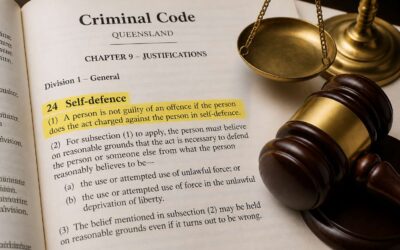

0 Comments