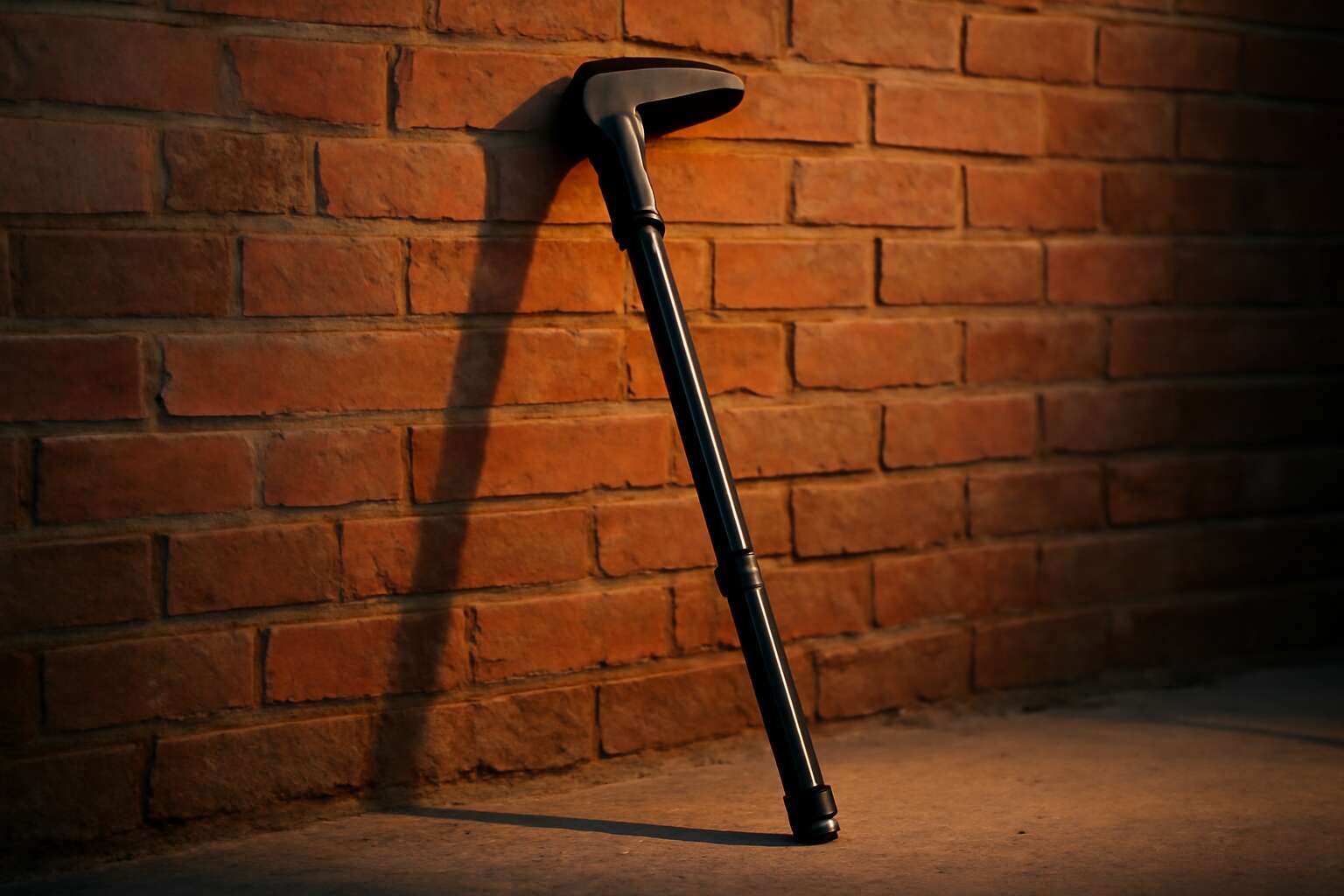
Overview of Protective Walking Aids
What a protective walking aid is
Streets at dusk in South Africa carry a charge, and every step becomes a test of balance. An overview of protective walking aids reveals a quiet weapon of assurance. The self defence walking stick blends steel and restraint, offering steady support on uneven pavement while signaling readiness without shouting. It’s a practical ally that respects safety and style alike.
Protective walking aids aren’t mere props; they are engineered companions built for grip, reach, and balance. By design, they shield the user from slips and unwanted contact while remaining discreet enough for daily use.
- Reinforced tips for solid traction on varying pavements
- Ergonomic grips that resist fatigue in all weather
- Telescoping or folding models for easy, compact carry
From retail halls to late-night avenues, these aids offer quiet confidence and a sense of control—without drama.
Key benefits and uses
Urban nights in South Africa press close, yet a steady hand can keep danger at bay. A well-chosen self defence walking stick offers not just support but a poised, protective presence, turning a routine stroll into a controlled act of balance and calm.
Reinforced tips, ergonomic grip, and discreet form translate into practical advantages.
- Solid traction on varied pavements
- All-weather ergonomics that resist fatigue
- Compact, discreet carry for daily life
Together, they foster confidence without drama.
Whether commuting after dusk or strolling along a seaside promenade, the stick steadies steps, provides reach to deter unwanted contact, and signals readiness with quiet authority. In the hands of a mindful walker, it becomes a companion that respects safety and style alike.
Who can benefit from a defensive walking aid
“Safety is a habit,” a seasoned urban walker likes to say, and in South Africa’s evenings that habit becomes a calm compass. A self defence walking stick is not a weapon but a poised companion, blending discreetly with daily life while offering reach and balance when needed. It turns a routine stroll into a measured, protective ritual.
Who benefits from protective walking aids? Consider these profiles:
- Older adults seeking steady balance after dusk
- Commuters and city walkers navigating uneven pavements
- Security-conscious travelers exploring coastal promenades or rural routes
In mindful hands, the stick becomes a confidant that respects safety and style, a quiet declaration of preparedness without noise or bravado.
Common situations where it helps
“Safety is a habit,” a seasoned urban walker says, and in South Africa’s evenings that habit becomes a calm compass. A self defence walking stick is not a weapon but a poised companion, blending with daily life while offering reach and balance when needed. It turns a routine stroll into a measured ritual.
Across South Africa’s varied streets, protective walking aids reveal quiet resilience in moments that test poise. Common situations include navigating uneven pavements, crossing dimly lit streets, stabilising late-commute footing, and strolling along coastal promenades where wind and stone conspire.
- Uneven pavements and curb transitions
- Dimly lit streets and late commutes
- Crowded transit hubs and markets
- Coastal promenades and rural routes
In mindful hands, the stick becomes a confidant that respects safety and style, a quiet declaration of preparedness without noise or bravado. The tool invites steady, graceful movement—balance, reach, and reassurance woven into daily life!
Design, Materials, and Build Quality
Material options and durability
Design is as much about confidence as comfort! A well crafted self defence walking stick should feel like an extension of the body, not a burden on the walk. Balance, grip texture, and a subtle silhouette help you move with assurance on sunlit trails or crowded city paths.
Materials choices shape durability and weight, and they matter in outdoor South African climates. The right mix stays strong, resists rust, and keeps you steady when the road is slippery. Common options include:
- Aluminium alloy for lightness and stiffness
- Carbon fibre for maximum rigidity with reduced weight
- Fibreglass-reinforced polymer for budget-friendly strength
- Wood composite for a traditional feel with modern backing
Build quality ties grip, shaft, and tip into a seamless unit. Durable hinges, reliable locking mechanisms, and weather-ready finishes should endure dust, heat, and rain on daily journeys.
Folding and locking mechanisms
Design is a dialogue between form and function. For a self defence walking stick, design should feel like an extension of the body: balanced, unobtrusive, and reassuring. A well-balanced shaft, grip, and a slender silhouette help you move with confidence on trails or through crowds. I’ve learned that the best tools disappear!
Material choices shape durability and weight, in South Africa’s climate. Mix stays strong, resists rust, and keeps you steady on slick surfaces. Options include: aluminium alloy for lightness and stiffness; carbon fibre for maximum rigidity with reduced weight; fibreglass-reinforced polymer for budget-friendly strength; wood composite for a traditional feel with modern backing.
Build quality ties grip, shaft, and tip into a seamless unit. Durable hinges, reliable locking mechanisms, and weather-ready finishes should endure dust, heat, and rain on journeys. Folding and locking mechanisms are the heartbeat of safety—smooth action, positive engagement, and a secure stay when deployed.
Grip ergonomics and weight distribution
Design is a dialogue between form and function. A self defence walking stick should feel like an extension of the body—balanced, unobtrusive, and reassuring. The slender shaft and humane grip whisper through crowds, yet stand ready on trail and street.
In South Africa’s climate, material choices shape durability and weight. Aluminium alloy offers light stiffness; carbon fibre provides rigidity with reduced mass; fibreglass reinforced polymer delivers durable, budget-friendly strength; wood composite offers a traditional feel with modern backing.
- Aluminium alloy: light and stiff
- Carbon fibre: maximal rigidity, minimal weight
- Fibreglass reinforced polymer: durable, budget-friendly
- Wood composite: traditional feel with modern backing
Build quality knits grip, shaft, and tip into a seamless unit. Durable hinges, reliable locking mechanisms, and weather-ready finishes endure dust, heat, and rain. Grip ergonomics and weight distribution shape control and confidence with every stride.
Weather resistance and maintenance considerations
On crowded Cape Town sidewalks, a telling stat stings the air: 68% say they feel safer with a protective aid within reach. Design is a dialogue between form and function. A self defence walking stick should feel like an extension of the body—balanced, unobtrusive, and ready to steady the stride.
- Aluminium alloy: light and stiff
- Carbon fibre: maximal rigidity, minimal weight
- Fibreglass reinforced polymer: durable, budget-friendly
- Wood composite: traditional feel with modern backing
In South Africa’s climate, material choices shape durability and weight. These options give you lightness, stiffness, budget, and heritage.
Build quality threads grip, shaft, and tip into a dependable unit. Weather-ready finishes, durable hinges, and robust locking mechanisms endure dust, heat, and rain. Maintenance reveals itself as a quiet ritual—attention to joints and finishes keeps the self defence walking stick ready for the road ahead.
Safety, Legality, and Ethics
Region-specific laws and restrictions
Safety isn’t luck; it’s a practiced habit. The self defence walking stick functions as a deterrent and a steady aid, a quiet reminder that awareness and restraint can be more powerful than force. In South Africa, streets can shift in an instant, making preparation a must.
Legality varies by region and context. Possession is common for mobility, but how and when it’s used matters. In general, intent and proportionality govern what’s permissible.
- Open carry may be perceived differently from concealed use in public spaces.
- Local bylaws and policing attitudes can vary by province and municipality.
- Safe storage and clear purpose as a walking aid help avoid misunderstandings or misuse.
Ethics remind us tools reveal character. Carrying a self defence walking stick invites responsibility—set boundaries, respect life, and avoid escalation when possible. The moral weight lies not only in capability, but in restraint.
Proper training and de-escalation guidelines
Safety is a practiced habit. The self defence walking stick acts as a deterrent and a steadying anchor, keeping you balanced while signaling readiness. Stay calm, keep movements measured, and create space before things escalate.
Legality varies by province and context in South Africa. Possession is common for mobility, but how you use it matters. Open carry may be read differently from concealment, and local bylaws plus policing attitudes vary. Store it safely and with a clear purpose.
Ethics shape how you respond. Carrying a tool carries responsibility—set boundaries, respect life, and seek de-escalation first. Training in restraint, awareness, and safe exit routes keeps you prepared without escalating conflict.
- Speak calmly, project space, and warn when possible.
- Keep the stick controlled and visible, not aggressive.
- Back away and exit; call for help when needed.
Safe handling, storage, and transport
Safety is a practiced habit. The self defence walking stick acts as a deterrent and a steadying anchor, signaling readiness while keeping balance. Speak calmly, project space, and create distance, with movements that are measured and purposeful.
Legality varies by province and context in South Africa. Possession is common for mobility, but how it’s used matters. Open carry may be read differently from concealment, and local bylaws plus policing attitudes vary.
Ethics shape how you respond. Carrying a tool carries responsibility—set boundaries, respect life, and seek de-escalation first. Safe handling, storage, and transport require awareness and a commitment to safety for all.
Ethical use and personal responsibility
Safety is a practiced habit. The self defence walking stick acts as a deterrent and a stabilizing anchor, signaling readiness while preserving balance. Speak calmly, project space, and create distance, with movements that are measured and purposeful, never impulsive or boastful in the moment.
Legality varies by province and context in South Africa. Possession is common for mobility, but how it’s used matters. Open carry may be read differently from concealment, and local bylaws plus policing attitudes vary across towns and townships.
Ethics shape every choice. Carrying a tool carries responsibility—set boundaries, respect life, and seek de-escalation first.
- Set clear personal boundaries and avoid escalating confrontations.
- Value life and employ force only as a last resort.
- Prioritize de-escalation and safe distancing whenever possible.
Ultimately, the ethical use and personal responsibility tied to a self defence walking stick define its value more than any feature list.
Buying Guide and Product Features
Identifying your purpose and environment
Security isn’t a luxury; it’s a plan you carry. When you select a self defence walking stick, identify your purpose and environment. Are you navigating busy city sidewalks or late-night park paths? Your choice shapes length, balance, and grip. In South Africa, the right stick brings steadiness on uneven surfaces and a quiet sense of confidence.
Consider these checks as you shop.
- Intended use and environment
- Weight, length, and balance
- Grip comfort and locking reliability
- Tip suitability for surfaces
Product features that endure daily life include a durable alloy shaft with a protective coating, a non-slip handle, and a secure locking mechanism. A rubber ferrule suits slick pavements, while a steel tip handles gravel. A weather-resistant finish keeps corrosion at bay, and a compact design aids transport in a car or bag.
Important features to compare
Safety is a plan you carry, not a rumor you chase. Through South Africa’s varied streets, the buying guide becomes your compass, turning a self defence walking stick into a trusted companion on every leg of your journey. Whether you stride crowded boulevards or shadowed park paths, let length, weight, and balance sculpt the path you take. A stout ally, properly chosen, offers steadiness and a quiet, almost magical confidence on uneven pavements.
Seek a shaft that withers fatigue, a grip that feels like home, and a locking system you can summon in a heartbeat. A weather-worn finish stands up to the rains, while a compact form slips neatly into a car boot or a bag. The finest options carry ease in their bones and readiness in their spirit when the moment arrives.
Budget ranges and value
In the streets where dusk lingers longer than trust, a safety mindset travels in your hands more than in your words. “Preparedness is quiet courage,” a safety expert reminds us. A well-chosen self defence walking stick is not a cudgel but a steady companion for South Africa’s varied routes.
- R500–R1200: Entry-level value
- R1200–R3500: Mid-range versatility
- R3500+: Premium performance
Budget ranges translate to value on the ground, with basic models delivering reliability and simple locks, mid-range builds offering better grips and sturdier shafts, and premium options layering advanced materials and refined engineering.
Brand reputation, warranty, and after-sales support
Shadows lengthen and preparedness becomes a pragmatic shield. In choosing a self defence walking stick, brand reputation isn’t vanity—it’s a lifeline. I seek manufacturers that publish field-tested data, offer clear warranties, and sustain local support networks. A trusted label means parts, repairs, and responsive help are reachable long after the sale. The right choice feels like a quiet pact: you buy, they stand behind it—even when the street grows unpredictable.
Product features tell the rest of the story: warranted coverage, durable materials, and service-minded aftercare. When a brand greets customers with straightforward guarantees and easy access to repairs in South Africa, the stick becomes more than gear—it becomes a reliable companion in isolated hours and crowded streets alike. That blend of reputation, warranty, and after-sales support keeps the journey safer and the mind clearer.
Practice, Use, and Maintenance Tips
Basic grip and stance drills
When the city at night hums, practice becomes your oath. Mastering the basic grip and stance is the first defense you train into muscle. Three drills translate to the street:
- Grip alignment: rest the palm evenly, fingers relaxed to steady the shaft
- Neutral stance: distribute weight over the feet, knees slightly bent
- Footwork: take short, deliberate steps to create distance
Repetition turns uncertainty into deliberate movement!
Use is timing and calm. Keep the self defence walking stick close to the body, ready but not clenched, as you move through SA streets and scan your surroundings. In a tense moment, snap to a controlled ward, then melt back into awareness—ethics intact!
Maintenance tips: wipe dry after use, inspect the grip for wear, and lubricate folding locks to prevent sticking. Store in a dry, cool place; check loose joints before each outing, and it stays reliable when you need it most.
Safe striking and control techniques
Practice scales memory and tempo: breath, balance, and intent. The self defence walking stick becomes an extension of the arm, translating quiet resolve into physical calm. Focus on grip softness, shaft alignment with the spine, and deliberate, short steps that build space rather than rush it.
Use: In real-world moments, calm, measured decisions matter more than quick force. The self defence walking stick is a tool for awareness, distance management, and non-lethal control—intended to deter, shield, and buy time until help arrives. Always align with local laws and personal responsibility.
Maintenance Tips: Wipe dry after use, inspect the grip for wear, and lubricate folding locks. Store in a dry, cool place; check loose joints before outings. A reliable stick is calm, not flashy, a quiet guardian that stays ready when needed most.
Maintenance, inspection, and cleaning
Practice with the self defence walking stick tethers breath to balance, turning stillness into resolve. Envision spine and shaft aligned as you take short, deliberate steps—creating space instead of panic. In South Africa, this mindset keeps you alert, calm, and purposeful.
Use centers on awareness, distance management, and non-lethal control. The stick deters, shields, and buys time until help arrives, not raw force. For many in South Africa, the self defence walking stick is a practical companion—a quiet guardian aligned with local laws and personal responsibility.
Maintenance Tips: Wipe dry after use, inspect the grip for wear, and lubricate folding locks. Store in a dry, cool place; check loose joints before outings. A reliable stick is calm, not flashy, ready when needed most.
Troubleshooting common issues and upgrades
Practice is a quiet ritual where breath guides movement, turning hesitation into resolve as I shadow-step with the self defence walking stick. Short, deliberate steps align spine and shaft, creating space where panic would rise. In South Africa, this discipline keeps me alert, calm, and purposeful.
Using it centers awareness, distance, and non-lethal control; it deters and buys time rather than demands force. Troubleshooting common issues and potential upgrades becomes part of the ritual:
- Grip wear and balance indicators
- Durable locking mechanisms and upgrade paths
- Tip integrity and shaft alignment for varied terrain
Maintenance then becomes a ritual of care—keeping the stick dry, inspecting joints for looseness, and honoring the folding mechanism with regular checks. A reliable companion is calm, not flashy, ready when needed most.



0 Comments