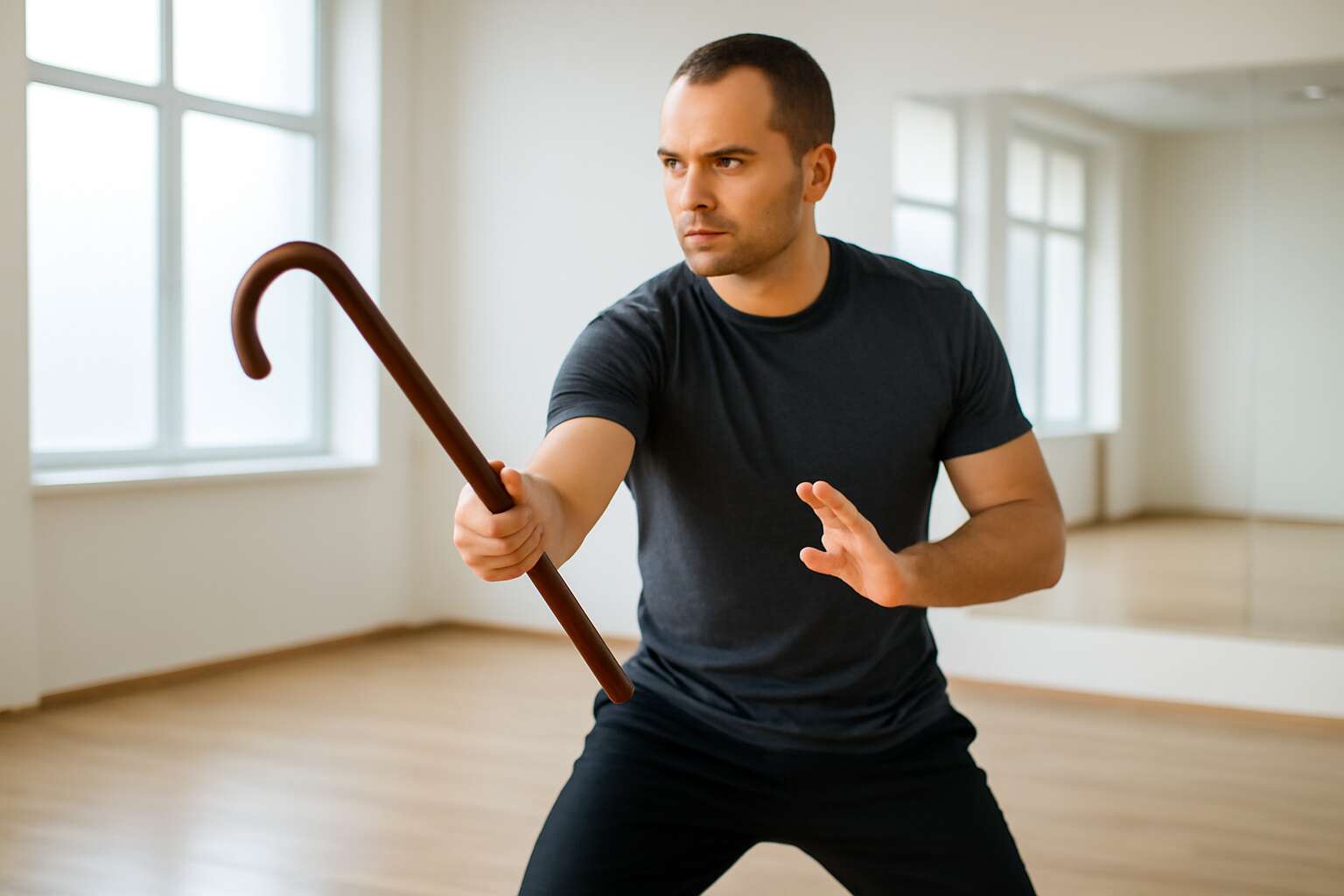
Foundations of Cane Self-Defense
Principles of using a cane for defense
Every corner shop and bus stop in SA has taught me a blunt lesson: awareness outpaces adrenaline every time. A telling stat flickers across safety reports—62% of street encounters deflate the moment before a single step is taken. Preparation, not bravado, is the real deterrent.
Foundations of Cane Self-Defense hinge on respect for the tool and the terrain. Principles of using a cane for defense emphasize calm footwork, balance, and the ethics of force; the aim is to create space and deter risk, not to marvel at mischief. When we talk about self defence with a cane, the emphasis is on deterrence, controlled distance, and the possibility of escape.
Stance, balance, and footwork
Balance is the quiet force that keeps danger at bay, something I’ve learned on South African streets and quiet sidewalks alike. A sharp stance communicates calm—and it buys time for judgment when danger nears.
Foundations of the stance start with a relaxed grip on the cane, feet shoulder-width apart, knees soft, head level. The torso mirrors balance, not bravado, as you watch space around you.
To keep balance in motion, use micro-adjustments that preserve distance and control:
- Light, short steps that reassert footing without overreaching
- Pivoting on the ball of the back foot to re-angle from a threat
- Gentle extension of the cane to create space while remaining in control
These patterns form the core of balanced responses, aligning ethics, restraint, and the instinct to retreat rather than retaliate. The aim is to deter risk, not escalate — a principle at heart of self defence with a cane.
Legal and ethical considerations for cane defense
On South African streets, the moment you choose self defence with a cane is a test of character as much as skill. It’s not about victory, but restraint, judgment, and preserving life when danger narrows your world.
Legally, in South Africa, self-defence hinges on necessity, proportionality, and an imminent threat. A cane becomes a tool only within those bounds; using it requires credible intent to retreat and to de-escalate. Training should reinforce accountability, not bravado, because the watchful eye of law weighs every action against the aim to protect life and property.
- Proportionality of force to threat
- Ability to retreat and de-escalate
- Accountability and post-incident documentation
Safety and risk awareness
Danger narrows perception in an instant, and the cane becomes a quiet compass rather than a weapon. In South Africa’s streets, preparedness is more than technique—it’s timing and restraint. A single vigilant choice can interrupt a threat before it closes the gap.
Foundations of safety start with risk awareness: read the scene, anticipate movement, and keep a clear retreat path. In practice, this means testing ground underfoot, avoiding clutter, and staying aware of exits. self defence with a cane should remain about control and safety, not escalation.
- Assess lighting and shelter options
- Keep hands free and grip secure
- Maintain a polite distance while ready to retreat
Calm focus, deliberate steps, and disciplined self awareness keep danger at bay and the path to safety open.
Cane Selection and Gear for Self-Defense
Choosing the right cane material, weight, and length
“A good cane is a quiet ally,” a SA safety instructor quipped—confidence on the street beats bravado. In the realm of self defence with a cane, material, weight, and length matter as much as stance and timing. The right mix provides leverage.
Materials determine feel and durability. Balance stiffness for control and lightness for mobility. Essentials:
- Material: wood, aluminum, or carbon fiber.
- Weight class: lightweight, mid-weight, or heavier.
- Length: long enough to extend, short enough to maneuver.
- Grip and tip: textured grip with a rubber tip.
In South Africa, choose a dependable cane with a weatherproof finish and a comfortable grip; it should feel like an extension of you, not a burden to carry. Because self defence with a cane is about readiness and balance, not bravado.
Grip options for secure control
A reliable cane isn’t a fashion accessory, it’s a quiet ally that moves with you and never complains about a long day. In South Africa, practical self defence with a cane hinges on balance, weatherproof reliability, and gear that behaves when you need it. The right grip, a sturdy tip, and a comfortable handle all conspire to keep you in control.
- Textured, non-slip grip for secure contact in all conditions
- Pistol-grip design for confident, palm-down control
- Wrap-around grip with grip tape for sweaty hands
Choose materials and weight that suit your day-to-day life, and opt for a weatherproof finish so the cane stays reliable through SA’s changing climates. A well-matched grip and a tested tip make maneuvers feel inevitable, whether you’re navigating pavements or rough paths.
Non-slip tips and safety accessories
On South African streets, the right cane is more than a fashion statement—it’s a quiet ally that travels with you and answers the moment you need it. For self defence with a cane, reliability trumps bravado; a well-matched tool stays true through heat, rain, and long days.
Choose weight and length that harmonise with your stride. Opt for a weatherproof finish and a textured grip that stays confident when hands are sweaty. A sturdy tip and a comfortable handle conspire to keep maneuvers precise and controlled.
Gear to pair with your cane includes safety accessories and non-slip tips that make everyday use safer:
- Non-slip tips for wet or uneven surfaces
- Wrist strap or tether to prevent loss during sudden moves
- Reflective accents for visibility after dark
By aligning selection with daily routines, you create a dependable companion that supports balance, navigation, and confidence on SA pavements.
Maintenance and inspection routines
A steady grip is a quiet shield as SA nights swallow the sidewalks. “A steady grip is a steady life,” the old guide whispers, and I hear it every time I lift my cane. Cane Selection and Gear for Self-Defense Maintenance and inspection routines demand ritual care. Choose weight and length that harmonise with your stride; seek a weatherproof finish and a textured grip that holds when hands sweat. A sturdy tip and a comfortable handle conspire to keep maneuvers precise. For self defence with a cane, reliability trumps bravado, enduring heat, rain, and long days without faltering.
Maintenance routine includes:
- Inspect tip wear and replace when edges smoothen or flatten
- Check joints and screws for tightness after regular use
- Clean, dry, and store away from extreme heat or moisture
Threat Assessment and De-escalation with a Cane
Environmental awareness and situational assessment
A quick glance, a shift in light—the margins betray danger before the scene fully forms. In South Africa’s streets, environmental awareness is instant armour. ‘Observation is protection,’ a seasoned trainer reminds me, and I listen. Do a rapid threat assessment: who approaches, what they want, where you can move, and where you can retreat. self defence with a cane begins with perception, a quiet beacon by your side—like a moonlit staff—rather than a clash.
From there, the landscape becomes your mentor: lighting in alleys, the flow of foot traffic, the rhythm of doors and corners. A calm, deliberate posture communicates boundaries without shouting, and awareness of exits turns potential peril into a series of avoidances and escapes. When the cane is seen as a safeguard—a tool for self defence with a cane—it’s a sign of boundary rather than a threat, and you navigate with dignity and care.
Verbal de-escalation strategies
A calm voice can outpace a shadowed threat. On South Africa’s streets, threat evolves with the tempo of breath and stride. A rapid threat assessment—who approaches, what they want, where to move, and where to retreat—builds the first shield. The cane signals boundary in self defence with a cane, not aggression, and that matters.
Verbal de-escalation is choreography: deliberate, non-confrontational, and rooted in respect. Begin with open posture, steady gaze, and low, clear speech. The aim is space and safety, not victory.
- Let’s talk this through
- We can part ways calmly
- No harm intended
Distance and exits become allies; a calm, firm tone communicates boundaries without shouting. When danger narrows, the cane remains a measured aid—guiding movement, preserving dignity, and turning potential peril into practiced choices.
Escape planning and mobility options
Threat assessment on South Africa’s streets shifts with the tempo of breath and stride. A quick read of the scene—who approaches, what they want, where to move, and where to retreat—builds the first shield. The cane signals boundary in self defence with a cane, not aggression, and that matters.
- Maintain distance with composed posture and measured steps
- Identify clear exits and safe routes while keeping eyes on the path
- Use the cane to guide movement, create space, and deter escalation without aggression
Practical Cane Techniques for Self-Defense
Self defence with a cane: basic grips and ready position
On South Africa’s city sidewalks, a calm, well-placed stance can defuse a tense moment before it heats up. The art of self defence with a cane blends awareness with measured distance, turning a simple tool into a non-lethal equalizer. This section covers basic grips and the ready position—practical, non-flashy concepts that respect safety and the boundaries of the law!
Grips are not about brute force but control and balance. The following concepts help shape the approach:
- Overhand grip: steady channel for leverage and grounded control.
- Palm or side grip: enables quick adjustments while keeping the cane oriented toward a safe line of retreat.
- Ready position: cane angled low, feet shoulder-width apart, maintaining space to move and react.
Distance management and footwork
Three breaths of space—I’ve found—can defuse a dangerous moment into retreat! Distance management in self defence with a cane isn’t a flourish; it’s a disciplined choreography of stance, gaze, and gait. Keep the threat at the edge of your reach, rotate away, and let the cane guide you toward a safe line of retreat. On South Africa’s sidewalks, space becomes the first ally in a tense hour.
Distance management hinges on controlled footwork. Consider these cues:
- Maintain a low cane angle to anchor balance.
- Use short, deliberate steps to create or close space.
- Turn your hips slightly to open a retreat path while keeping the cane between you and the threat.
- Regulate breathing and weight to return to neutral stance quickly.
With practice, these movements become second nature—the cane a quiet sentinel and your feet guardians of distance. This is self defence with a cane.
Strikes and blocks with the cane
On South Africa’s busy pavements, 60% of confrontations end when space is created—a moment that can be seized with calm, practiced movement. Practical cane techniques emphasize controlled strikes and blocks that preserve distance and give you space to retreat. This is self defence with a cane.
- Overhand disruption to break contact while keeping the cane between you and the threat
- Shielding blocks that deflect and reset angles without locking you in
- Directional pivots to open a retreat path and move off the line of attack
These ideas echo the rhythm of life on South Africa’s sidewalks, where quiet confidence can steer a walk home.
Leveraging the cane for control and escape
On crowded South African pavements, space can decide the outcome of danger—60% of confrontations end the moment you create it. That moment belongs to calm, practiced movement. In self defence with a cane, control and escape come first, not a show of force. The cane becomes a lever and a boundary, widening your options without escalating risk.
Handled with awareness, the cane guides contact away and keeps the threat at distance. Small adjustments in angle and position turn the shaft into a shield that buys a moment to step back or aside. This approach focuses on transition over confrontation, using the tool to open a retreat path while you stay in control.
Training methods and progression plans
On South Africa’s crowded pavements, space can decide danger. Mastery shows in calm, practiced motion, not bravado. The concept of self defence with a cane is about turning distance, timing and boundary into options—never a display of force.
Practical training emphasizes a clear progression: start with foundational mechanics in slow tempo, then layer in controlled partner work, and finally place you in time-pressured scenarios to test reflex and composure. Here’s a core progression plan:
- Foundational mechanics and rhythm: breath, alignment, and smooth, deliberate movements at a comfortable pace.
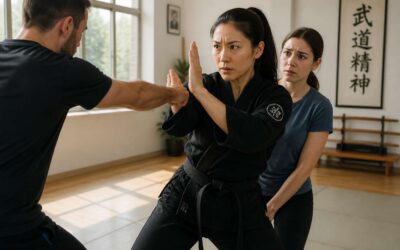
- Controlled partner drills: protective equipment, light contact, and de-escalation cues to build confidence without escalation.
- Environment-based scenarios: navigation through crowds, doorways, and tight spaces to practice boundary management.
- Periodized load and evaluation: regular reviews, conditioning, and safety audits to maintain readiness.



0 Comments